English



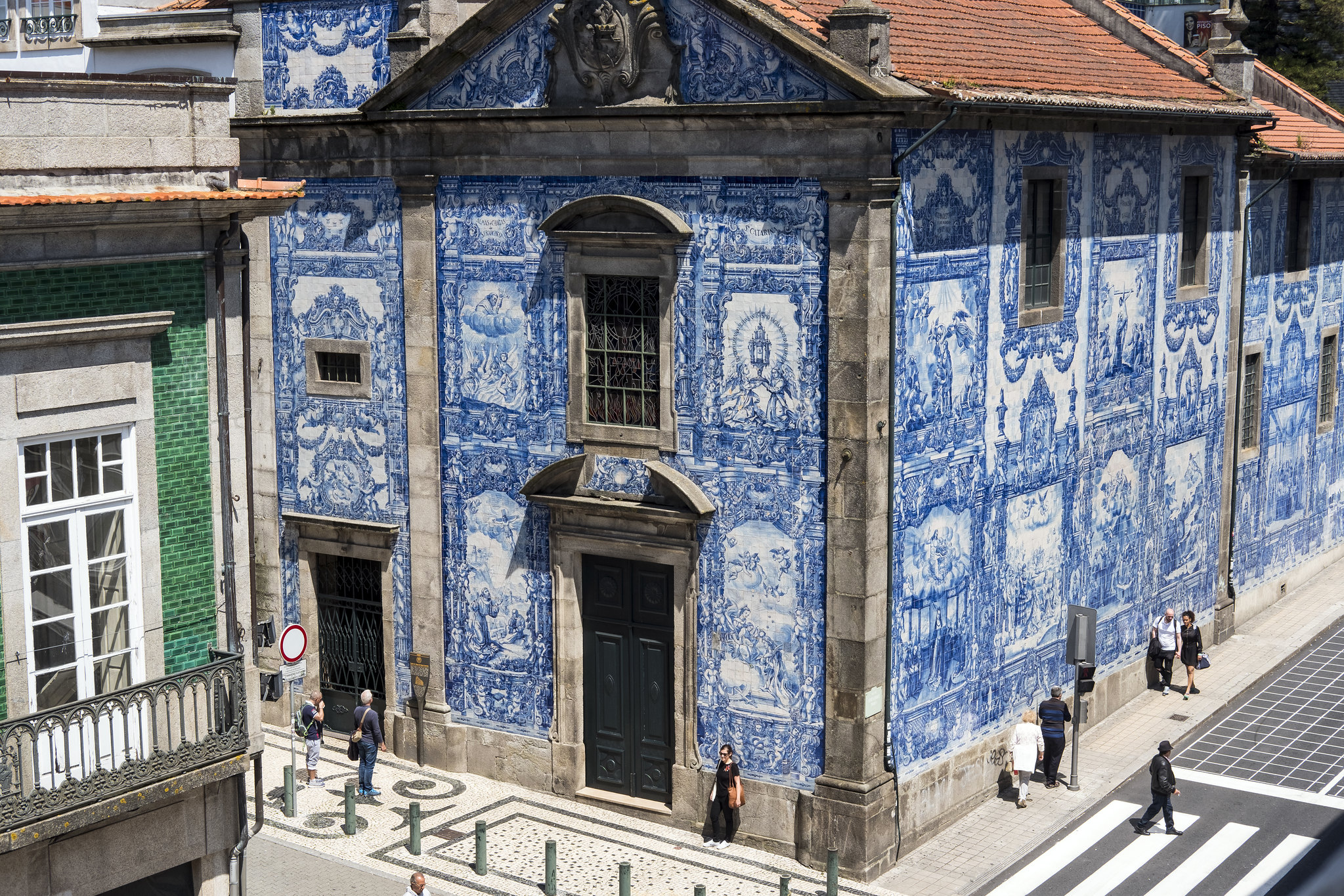
Discover the Capela das Almas (Chapel of Souls) in Porto, a city icon known for its blue-and-white tiles, fascinating history, and unique atmosphere. In this complete guide, you’ll find everything you need for your visit: history, architecture, curiosities, practical tips, and suggested tourist routes.
An Iconic Façade in the Heart of Porto
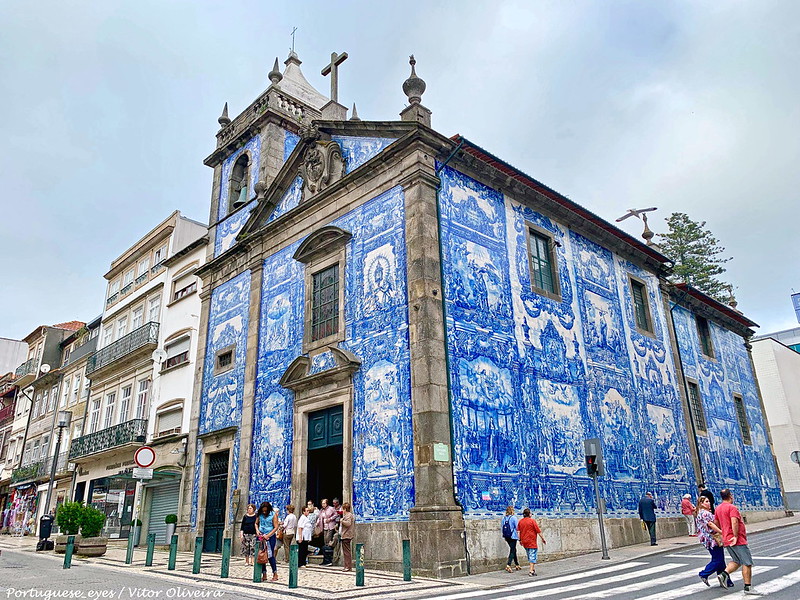
Situated on the bustling Rua de Santa Catarina, the Capela das Almas, also known as the Chapel of Santa Catarina, stands out not for its size but for its decorated tile façade, which depicts sacred stories in blue on a white background. This contrast between the urban life outside and the serenity of the chapel transforms the space into a true open-air museum.

History of the Capela das Almas
Origins and Construction
The Capela das Almas dates back to the early 18th century, when a small wooden chapel was erected in honour of Saint Catherine. Its definitive transformation began when the Brotherhood of the Souls and the Wounds of Saint Francis settled at the site, merging the devotion to Saint Francis with the growing fame of Saint Catherine.
The current structure is neoclassical, with a single nave and rectangular plan. In 1801, expansion works created the two-part layout we see today.
Transformations and Tiles
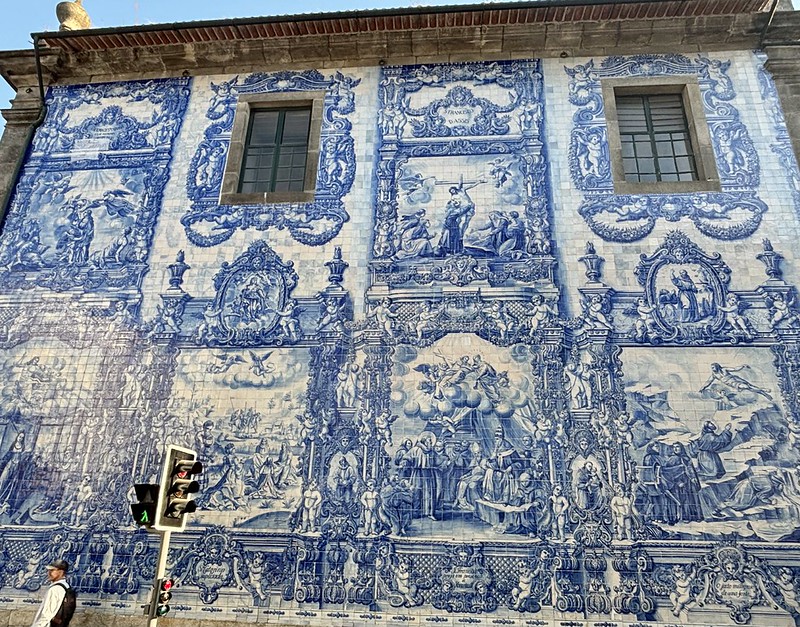
Capela das Almas main highlight is its tile covering, installed in 1929. There are approximately 16,000 tiles, covering about 360 m², designed by Eduardo Leite and produced at the Viúva Lamego Ceramic Factory in Lisbon. These painted panels depict:
- Saint Francis of Assisi: life, death, and the stigmata.
- Saint Catherine: martyrdom, coronation, and devotion.
- The Eucharist and everyday life: reinforcing the religious significance of the space.
Although created in the 1920s, the tiles follow an 18th-century revivalist aesthetic, maintaining continuity with Portuguese tile-making traditions.
Interior and Architectural Details
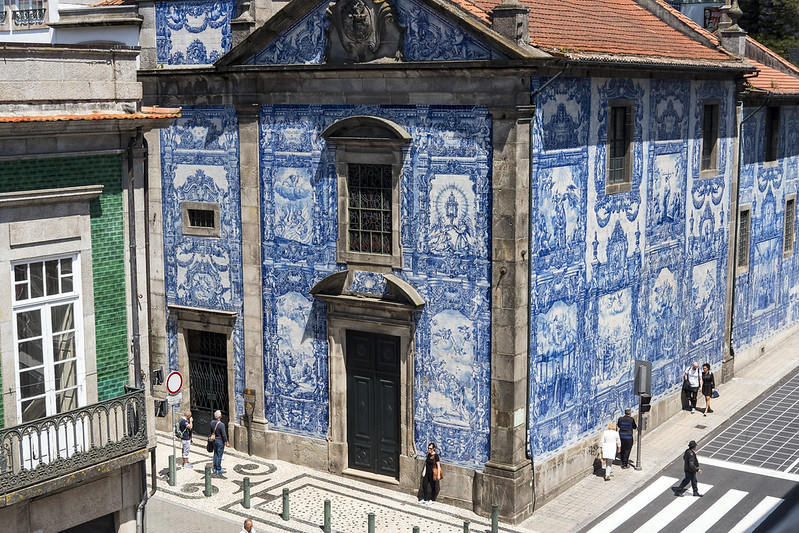
The main façade features a doorway framed with a circular pediment and a split coat of arms with symbols of Saint Francis and Saint Catherine. The two-storey bell tower is topped with a dome and iron cross.
Inside, the atmosphere is contemplative:
- Main altar and side altars: dedicated to Saint John, Our Lady of the Immaculate Conception, and the Sacred Heart of Jesus.
- Altarpiece of the Ascension of Christ: by Joaquim Rafael (1815).
- Stained glass “Souls” window: created by Amândio Silva, mid-20th century.
The Capela das Almas remains an active place of worship, where locals still come for prayer.
Practical Visiting Guide
Location and Access
- Address: Rua de Santa Catarina 428, Porto.
- On foot: Approximately 10 minutes uphill from São Bento Station.
- Metro: Bolhão Station (lines A, B, C, E, F), literally at the door.
Opening Hours and Costs
- Mon–Fri: 07:30–18:00
- Sat/Sun: 07:30–12:45 (reopens in the afternoon for Mass, check schedules)
- Entry: Free
Duration and Photography
- Average visit time: 15–45 minutes, depending on interest in tiles and interior.
- Best angles: intersection with Rua Fernandes Tomás and “golden hour” in late afternoon.
- Respect: avoid flash and maintain silence during celebrations.
Nearby Attractions and Routes
Include the chapel in a historical tour of the Baixa area:
- Mercado do Bolhão: local gastronomy and traditional atmosphere.
- Majestic Café: historic and photogenic.
- Igreja de Santo Ildefonso: another highlight of Porto’s tile art.
- São Bento Station: famous tile panels.
Quick Facts
| Information | Detail |
|---|---|
| Location | Rua de Santa Catarina 428, Porto |
| Transport | Bolhão Metro (lines A, B, C, E, F) |
| Hours | Mon–Fri 07:30–18:00; Weekend 07:30–12:45 |
| Entry | Free |
| Highlight | 15,947 tiles by Eduardo Leite |
| Local Tip | Visit early to avoid crowds |
Frequently Asked Questions (FAQ)
- Where is the Capela das Almas?
Rua de Santa Catarina, Porto, next to Bolhão Metro Station. - What are the visiting hours?
Monday–Friday: 07:30–18:00. Weekends: 07:30–12:45 (reopens for Mass in the afternoon). - Is there an entry fee?
No, it’s free. - Can I photograph inside?
Yes, but without flash and respecting ongoing services. - Which tiles are the most famous?
The 1929 panels depicting Saint Francis of Assisi and Saint Catherine, created by Eduardo Leite.
Conclusion
The Capela das Almas in Porto is more than a photo opportunity. It is a historical and artistic testimony, from its humble wooden origins to becoming a neoclassical icon adorned with masterfully painted tiles. Plan your visit, explore the details, and immerse yourself in the beauty, spirituality, and unique energy of Rua de Santa Catarina.