English



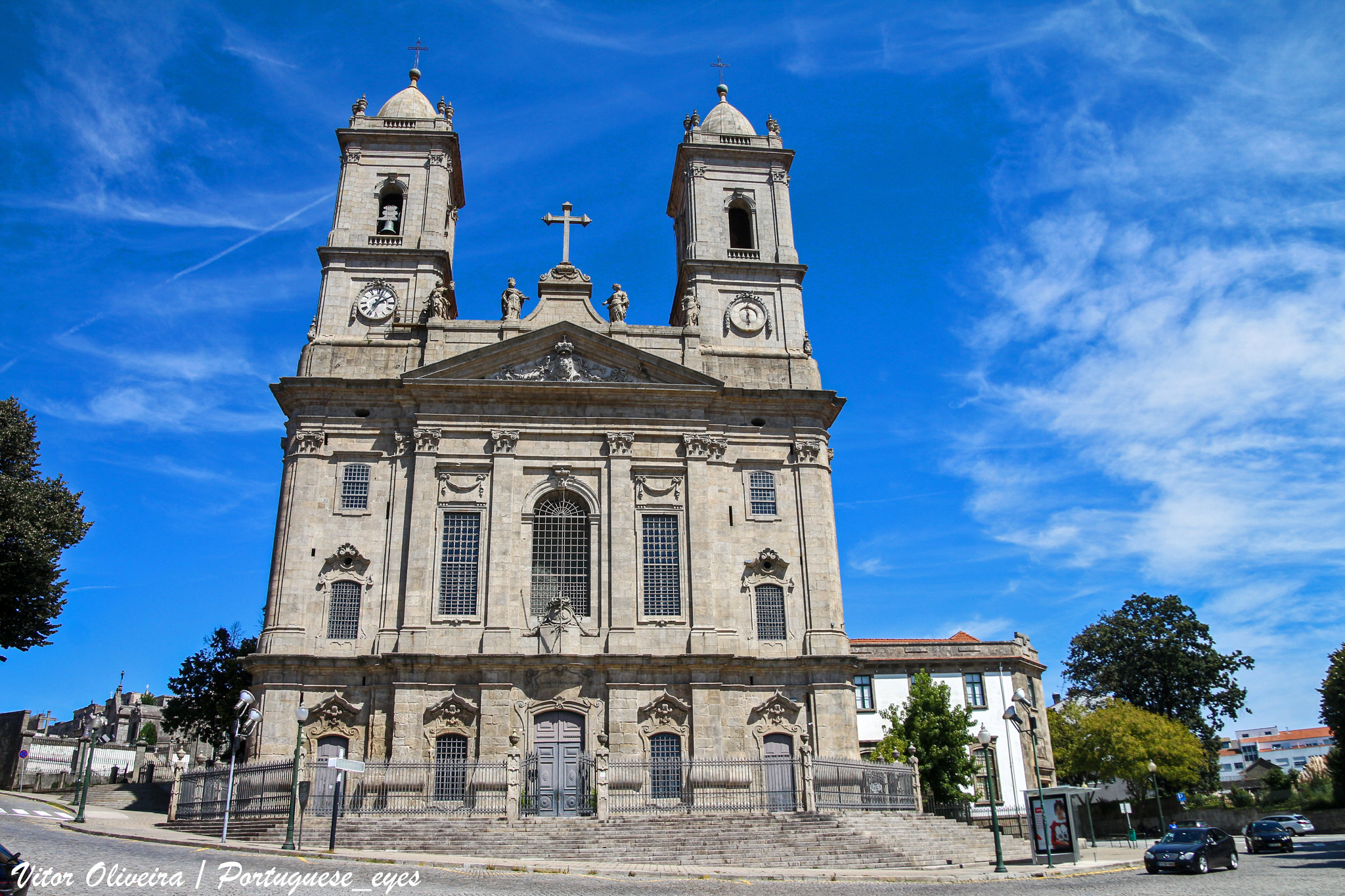
When planning your itinerary through Porto’s religious heritage, there is one monument that stands out not only for its architectural grandeur but also for safeguarding one of the most symbolic treasures in Portuguese history. Lapa Church, located in the Cedofeita area, is far more than a religious temple; it is a pillar of Porto’s identity and a must-visit destination for those seeking to understand the deep connection between the city and freedom.
If you are looking for places to visit in Porto beyond the most obvious tourist routes, Lapa Church offers an experience that combines sacred art, musical excellence, and a fascinating historical narrative involving kings, heroes, and great writers.
The History of Lapa Church and Its Brotherhood
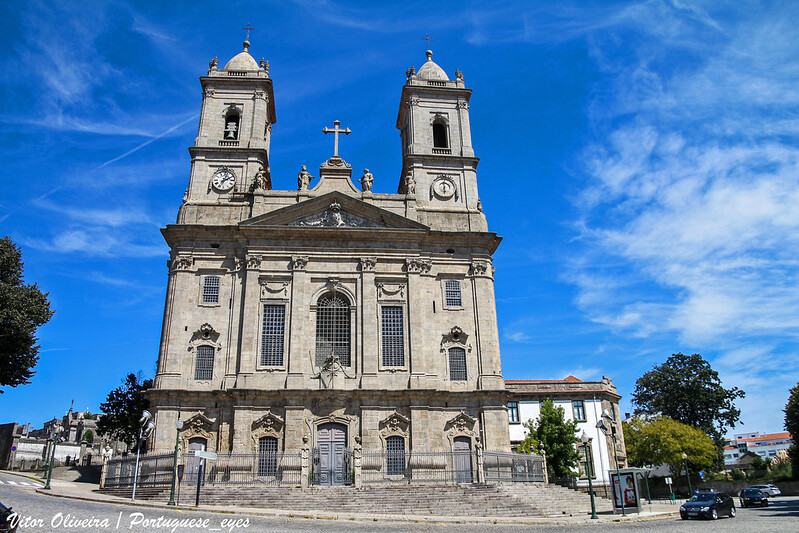
The history of Lapa Church began in 1754 with the arrival in Porto of Brazilian missionary Father Ângelo Sequeira. With captivating oratory skills, the priest preached throughout the city with the aim of building a chapel in honour of Our Lady of Lapa. In 1755, thanks to the generosity of the faithful and a papal bull issued by Pope Benedict XIV, the small Chapel of Our Lady of Lapa of the Confessions was built.

However, the influx of devotees was so great that the space quickly became insufficient. In 1757, the Administrative Board of the Brotherhood decided to move forward with the construction of a larger temple. The foundation stone of the current Lapa Church was laid on 17 July 1756, but the path to its completion would be long. Due to financial shortages and the difficulties imposed by the Napoleonic invasions, construction lasted for more than a century and was only completed in 1863.
This prolonged construction resulted in a fascinating blend of architectural styles, where Rococo elements coexist harmoniously with Neoclassicism. The initial project was designed by João Glama Ströberle, but architect José de Figueiredo Seixas directed most of the construction work until his death in 1773.
The Heart of Pedro IV: A Symbol of Gratitude
The element that most attracts visitors to Lapa Church in Porto is undoubtedly the heart of King Pedro IV. Known as the “Soldier King”, Pedro maintained a deep emotional relationship with the Invicta city, especially after the historic Siege of Porto (1832–1833). In his will, the monarch expressed his wish to donate his heart to the city, in gratitude for the sacrifices endured by the people of Porto in the fight for the liberal cause.
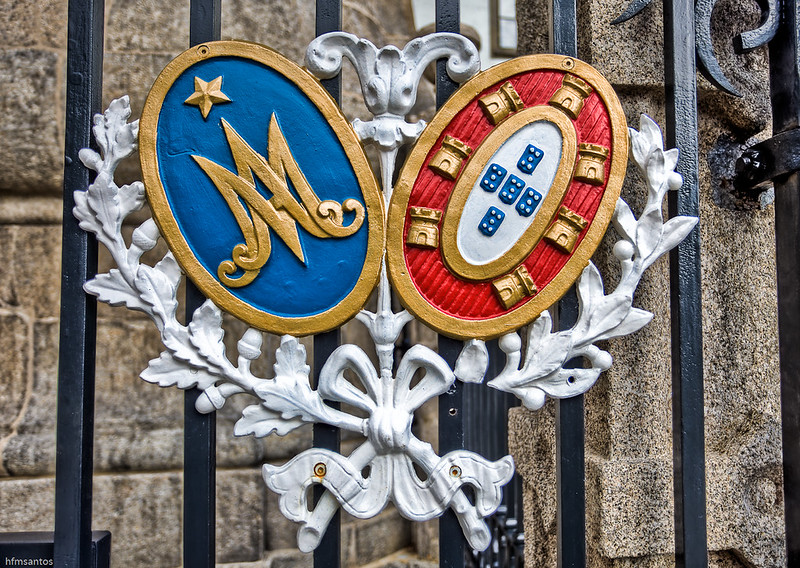
Since 1835, the heart has been preserved inside the church and has been housed in a funerary monument in the Main Chapel, on the Gospel side, since 1837. This mausoleum, designed by Costa Lima, is a funerary art piece of enormous value. Interestingly, the relic is protected under a strict security system involving five keys, one of which remains in the possession of the Mayor of Porto. This symbolism is so powerful that Pedro IV’s heart is represented on the former coat of arms of the city and on the emblem of FC Porto.
The Grand Pipe Organ: The Musical Ex-Libris
For music lovers, Lapa Church offers another monumental surprise: its Pipe Organ. Inaugurated in 1995 and built by master organ builder Georg Jann, this instrument is considered one of the finest and most beautiful in the entire Iberian Peninsula.
With impressive dimensions — 32 tonnes, 15 metres high, and 10.5 metres wide — the organ dominates the interior space with its majesty. Its largest pipe, made of wood, reaches 10.12 metres in height. This organ is not merely decorative but is the protagonist of prestigious international concert cycles that attract music enthusiasts from around the world, consolidating the church as a vibrant cultural centre in the heart of Porto.
Heritage and Art: The Cemetery and the Gallery of Memory
When visiting this complex, it is essential to extend your tour to Lapa Cemetery. Built in 1833 in response to the cholera epidemic, it is the oldest Romantic cemetery in Portugal. In 2022, it was recognised as a Monumental Cemetery by the ASCE and became part of the European Cemeteries Route.
This “museum of death” displays magnificent funerary chapels built by Porto’s bourgeoisie and serves as the final resting place of illustrious personalities such as:
- Camilo Castelo Branco and Arnaldo Gama (writers);
- Marques da Silva (architect who also designed buildings for the Brotherhood);
- Soares de Passos and Marques de Oliveira.
In addition to the cemetery, the building adjoining the church, designed by Marques da Silva in the early 20th century, houses the Gallery of Memory (Portrait Room), the Noble Hall, and the Archive — spaces that preserve the institutional heritage of the Brotherhood.
Quick Answers About Lapa Church
- What is Lapa Church?
Lapa Church, officially Church of Our Lady of Lapa, is an 18th and 19th-century Catholic temple in Porto. It is the headquarters of the Venerable Brotherhood of Our Lady of Lapa and forms part of a historic complex including a cemetery, hospital, and school, being world-famous for housing the heart of King Pedro IV. - Where is Lapa Church located in Porto?
Lapa Church is located in Largo da Lapa, in the Cedofeita area of Porto. Positioned on elevated ground in central Porto, this historic church is close to Faria Guimarães metro station and is a central landmark for those exploring the city’s religious heritage and history. - What is the historical importance of Lapa Church?
The historical importance of Lapa Church lies in its role as the guardian of Pedro IV’s heart, donated to the city in gratitude for the sacrifices of Porto’s citizens during the Siege of Porto. Additionally, its cemetery is the oldest Romantic cemetery in Portugal and houses notable figures from national culture. - Can Lapa Church be visited?
Yes, Lapa Church can be visited free of charge, provided that ongoing celebrations and liturgical services are respected. Visitors have access to the interior of the temple and its valuable artistic heritage. Guided tours are also available by prior booking for groups wishing to deepen their historical knowledge. - How long does a visit to Lapa Church take?
A complete visit to Lapa Church, including viewing the mausoleum of Pedro IV and the monumental pipe organ, takes approximately 45 to 60 minutes. If you also intend to explore Lapa Cemetery and the Gallery of Memory, it is recommended to allow at least two hours for a richer experience.
Useful Information for Your Visit
Lapa Church is perfectly integrated into the urban surroundings and is easily accessible.
- Location: Largo da Lapa, Porto
- Transport: STCP buses (routes 304, 600) or Metro (Line D – Faria Guimarães stop)
- Opening Hours: Generally from 8:30 am to 12:00 pm and from 3:00 pm to 5:30 pm, with variations depending on the day of the week and religious services
- Accessibility: The church is an accessible and welcoming religious tourism space for all visitors
An Invitation to Discover
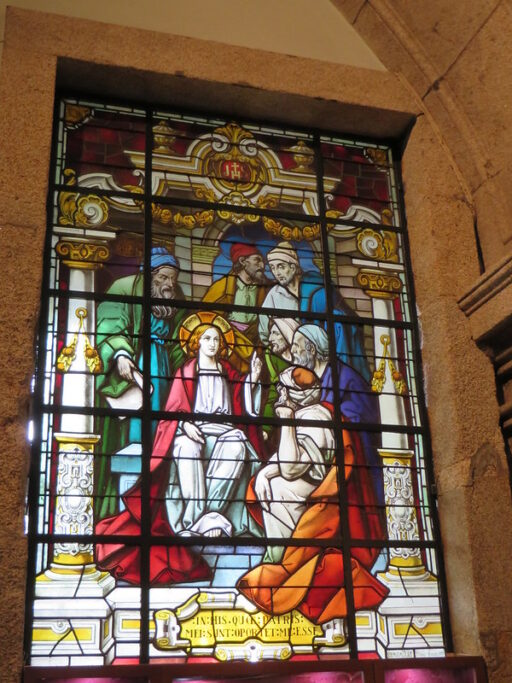
Visiting Lapa Church means immersing yourself in the indomitable spirit of the city of Porto. Between the delicacy of Ricardo Leone’s stained-glass windows, the powerful sound of the grand organ, and the solemn silence surrounding the heart of the “Soldier King”, visitors encounter a perfect synthesis of Porto’s religious heritage.