English



The city of Porto is world-famous for its tiled façades, medieval streets, and the imposing Cathedral. However, hidden behind a discreet arch and beside the remnants of the old city walls lies one of the most impressive treasures of Portuguese sacred art: the Church of Santa Clara.
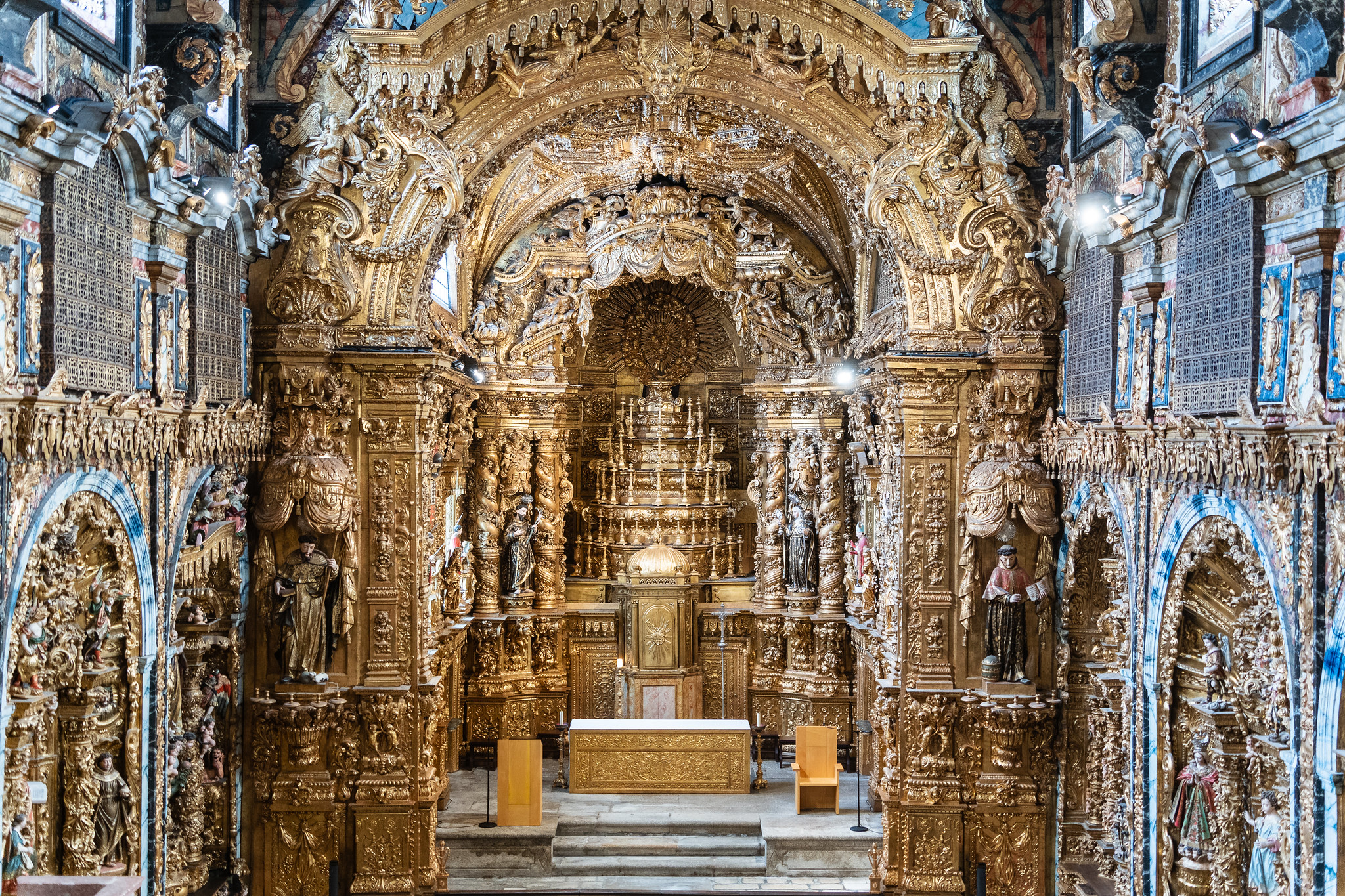
Often called Porto’s “hidden jewel”, this church offers a unique and intimate experience for those wishing to understand the true essence of Joanine Baroque, the gilded woodwork, and the cloistered life of the Poor Clare nuns. It is less crowded than other historic churches, such as São Francisco.
History of the Church of Santa Clara Porto
The church was founded in 1416, when King John I, at the request of Queen Philippa of Lancaster, authorised the establishment of Poor Clare nuns at the site known as Carvalhos do Monte, within Porto’s fortified borough. The Convent of Santa Clara was built to replace an earlier convent at Entre Ambos-os-Rios. Construction continued until 1457, largely financed by the crown and taxes on goods passing through the Douro River.
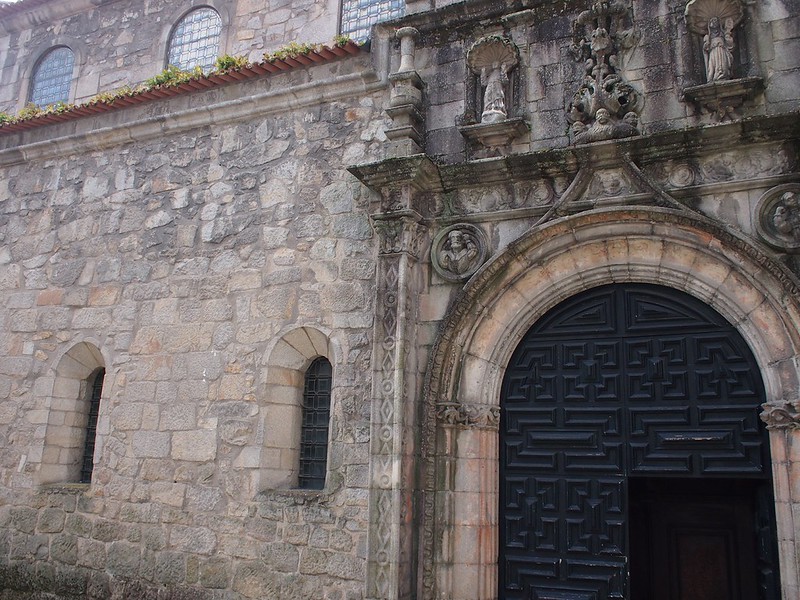

For centuries, the convent remained a place of seclusion, prayer, and education for the nuns. With the dissolution of religious orders in Portugal during the 19th century, the monastery was eventually closed after the death of the last nun in 1901. The church survived and was classified as a National Monument in 1910. A recent restoration, between 2016 and 2021, cost €2.5 million, restoring the gilded woodwork’s splendour and revealing hidden paintings from the 17th and 18th centuries.
Expert tip: The Church of Santa Clara retains original Gothic elements in its foundations, but the visual richness that distinguishes it today is entirely Baroque, resulting from 18th-century interventions.
Architecture and Gilded Woodwork
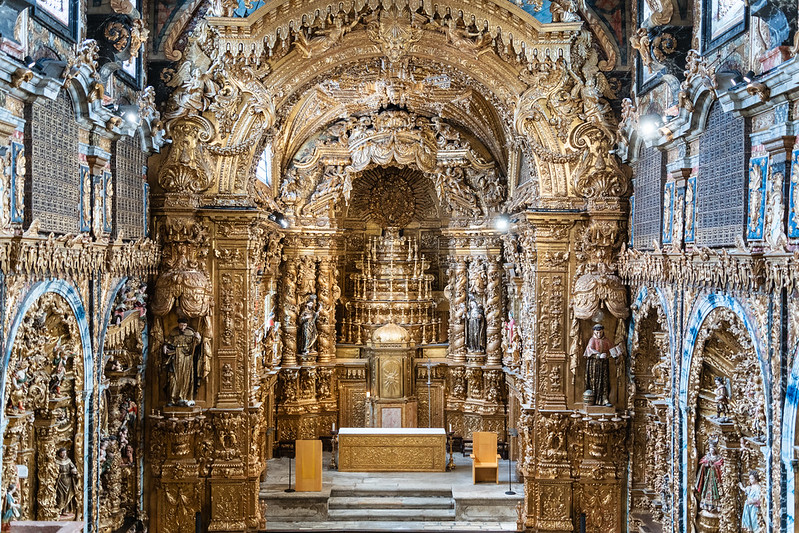
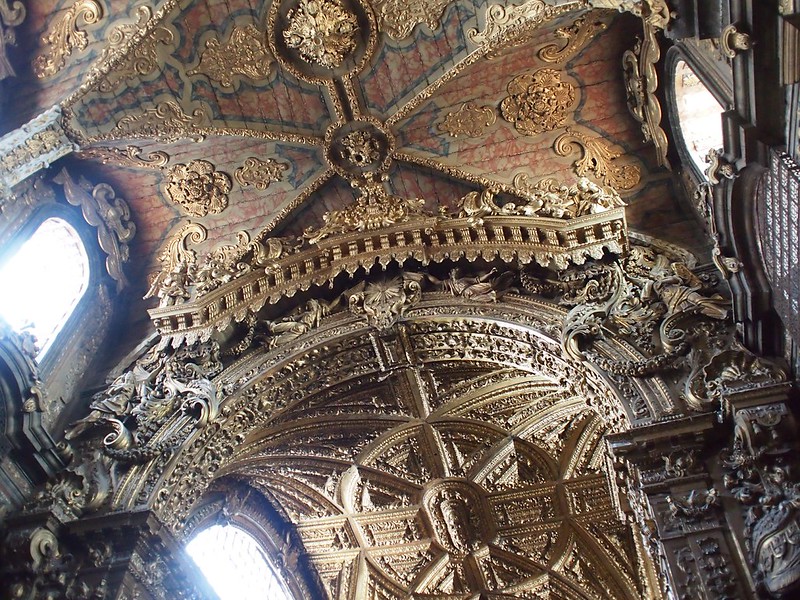
The contrast between the austere exterior and the opulent interior is striking. The church features a single nave covered in Joanine Baroque gilded woodwork, creating an atmosphere of contemplation and awe.
Interior Highlights
- Exterior Portal: Baroque, 1697, with Solomonic columns and Corinthian capitals.
- Side Altars and Main Chapel: Works by Miguel Francisco da Silva, c. 1730, exuberant and harmonious.
- Ceiling and Walls: Restored polychromy, angelic sculptures, and vegetal motifs symbolising life and spirituality.
- High Choir: Reserved space for the nuns to follow ceremonies without contact with the outside.
- Historic Organs and Tiles: Sacred music and decorative art complete the Baroque scene.
Curiosities and the Legacy of the Poor Clares
- Cloister System: Grilled partitions with spikes and the famous donation wheel, allowing alms to be received without direct contact.
- Blessing of the Newlyweds Mass: Last Saturday of each month, a tradition of offering eggs to prevent rain on weddings.
- Restoration Discoveries: Paintings of angels and saints beneath the gilded woodwork and 17th-century canvases recovered.
Mini summary: Church of Santa Clara is one of the finest examples of Joanine Baroque, offering a more cohesive and tranquil experience than São Francisco Church.
What to Visit Near the Church of Santa Clara
Located in Porto’s UNESCO World Heritage Historic Centre, the church is ideal for combining visits:
| Location | Distance | Highlight |
|---|---|---|
| Porto Cathedral | 200 m | Romanesque-Gothic cathedral, UNESCO World Heritage |
| Fernandina Wall | 100 m | Medieval remains with views over the Ribeira |
| Guindais Funicular | 400 m | Scenic descent to the Ribeira |
| Stock Exchange Palace | 500 m | Neoclassical with the Arab Room |
| São Lourenço dos Grilos Church | 300 m | Intimate historic Baroque altars |
| Porto Ribeira | 600 m | UNESCO quays and rabelo boats |
Practical tip: Start at the Cathedral, pass by Church of Santa Clara, and continue to the Ribeira for a compact, efficient route.
Practical Information for Visitors
Quick Facts:
- Location: Largo Primeiro de Dezembro, near the PSP Barracks.
- Opening Hours: Tuesday to Sunday, 09:00–13:00 / 14:00–18:00 (adjustments on mass days).
- Admission: Adults €4, Seniors/Students €3, Children under 10 free.
- Average Visit Duration: 45–60 minutes.
- Best Time: Early morning or late afternoon to enjoy natural light on the gilded woodwork.
- Accessibility: Elevator and facilities for reduced mobility; uneven paving outside.
- Local Tip: Flash photography is prohibited; guided tours available by reservation on the official website.
Frequently Asked Questions (FAQ)
What is the history of the Church of Santa Clara?
Built between 1416 and 1457 for Poor Clare nuns, financed by the crown, it became an important convent until the 19th century. Restored in 2021, it retains Baroque woodwork and hidden paintings.
How does Santa Clara differ from São Francisco?
Santa Clara offers a cozier, more cohesive experience, with less fragmented decoration, discreet entrance, and intimate atmosphere. São Francisco is larger and more touristy.
Is photography allowed?
Yes, for personal use only, without flash or tripods to protect the gilded woodwork and centuries-old paintings.
How do I get to the Church of Santa Clara?
On foot from the Cathedral or São Bento station; enter via the discreet courtyard after the PSP Barracks arch.
Do I need to book tickets in advance?
Not for individual visitors; large groups should contact the management to ensure access.
Cultural and Religious Context
Church of Santa Clara is an emblematic example of Portuguese Baroque art, reflecting the Counter-Reformation’s influence on religious architecture. The opulence of the gilded woodwork was intended to inspire devotion and symbolise the Church’s power. Its proximity to the Fernandina Wall and the Cathedral situates the church within the city’s historical path, offering visitors an immersive experience of medieval Porto.
Conclusion
Visiting the Church of Santa Clara Porto is more than tourism: it is a dive into history, faith, and Portuguese art. From the 15th-century Gothic foundations to the 18th-century Baroque splendour, every detail tells a story of devotion and artistic mastery.
After exploring Santa Clara, continue through Porto’s Historic Centre, from the Cathedral to the Ribeira, discovering streets, churches, and hidden corners. Santa Clara remains a quiet, golden refuge—a brilliant secret of the city.